
Matte and satin finishes change the entire relationship you have with a vehicle.
There is no deep gloss to chase, no mirror-like reflection to perfect under garage lights. Instead, the appeal lives in texture, in the way light falls flat across the surface rather than bouncing back. It looks deliberate, understated, and almost industrial in the right setting.
That also means you lose the safety net.
Traditional paint can be corrected. Swirls can be polished out. Gloss can be restored. Matte finishes do not offer that luxury. Once you alter the surface, even slightly, the change is permanent, which is why an entirely new approach to taking care of your matte vehicle must be adopted.
Here’s how to get it done the right way.

How to Detail a Matte or Satin Paint Finish
Protecting What You Can’t Polish
Why Matte Paint Requires a Different Approach
Standard automotive paint relies on a clear coat that reflects light. That reflection is what gives you gloss, depth, and the ability to correct imperfections through polishing.
Matte and satin finishes are different by design. The surface is engineered to diffuse light rather than reflect it. That texture creates the look, and anything that smooths or fills it begins to change it.
That is why the usual arsenal of products in your garage, such as compounds, polishes, and waxes, does not belong anywhere near it.
Even something as simple as the wrong quick detailer can leave behind uneven patches or a slight sheen that stands out immediately.
Matte and satin finishes are different by design. The surface is engineered to diffuse light rather than reflect it. That texture creates the look, and anything that smooths or fills it begins to change it.
That is why the usual arsenal of products in your garage, such as compounds, polishes, and waxes, does not belong anywhere near it.
Even something as simple as the wrong quick detailer can leave behind uneven patches or a slight sheen that stands out immediately.

What to Avoid at All Costs
Matte paint rewards restraint and punishes shortcuts.
Gloss-enhancing products are the first thing to eliminate. Traditional waxes, sealants, and detail sprays are designed to increase shine, which means they will alter the finish you are trying to preserve.
Polishing, whether by hand or machine, is off the table entirely. There is nothing to correct without changing the surface itself, and that is a big no-no.
Even aggressive washing techniques can create problems. Heavy pressure, dirty mitts, or skipping proper rinsing can leave marks that cannot be polished away later.
Put simply, with matte finishes, the goal is not correction. It is preservation.
Gloss-enhancing products are the first thing to eliminate. Traditional waxes, sealants, and detail sprays are designed to increase shine, which means they will alter the finish you are trying to preserve.
Polishing, whether by hand or machine, is off the table entirely. There is nothing to correct without changing the surface itself, and that is a big no-no.
Even aggressive washing techniques can create problems. Heavy pressure, dirty mitts, or skipping proper rinsing can leave marks that cannot be polished away later.
Put simply, with matte finishes, the goal is not correction. It is preservation.
The Right Way to Wash Matte Paint
First things first, begin with a thorough rinse. Let water carry away as much loose contamination as possible before you touch the surface. This step matters more here because you cannot fix mistakes later.
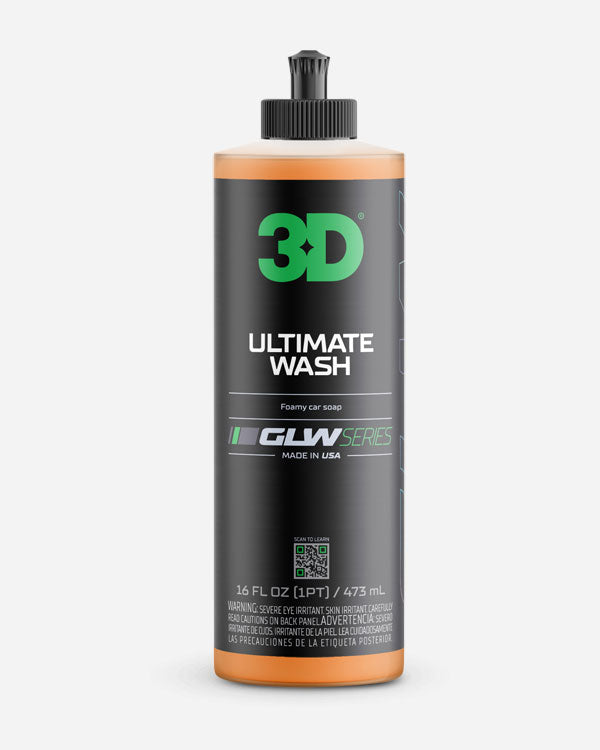
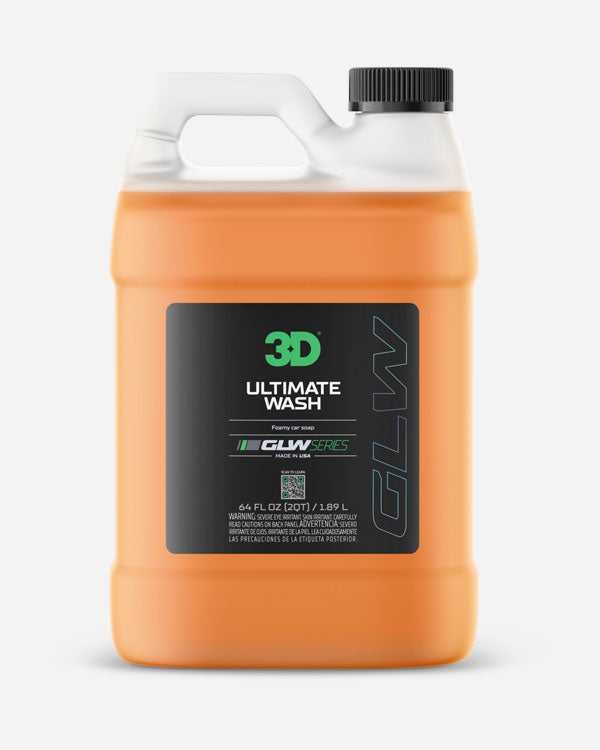
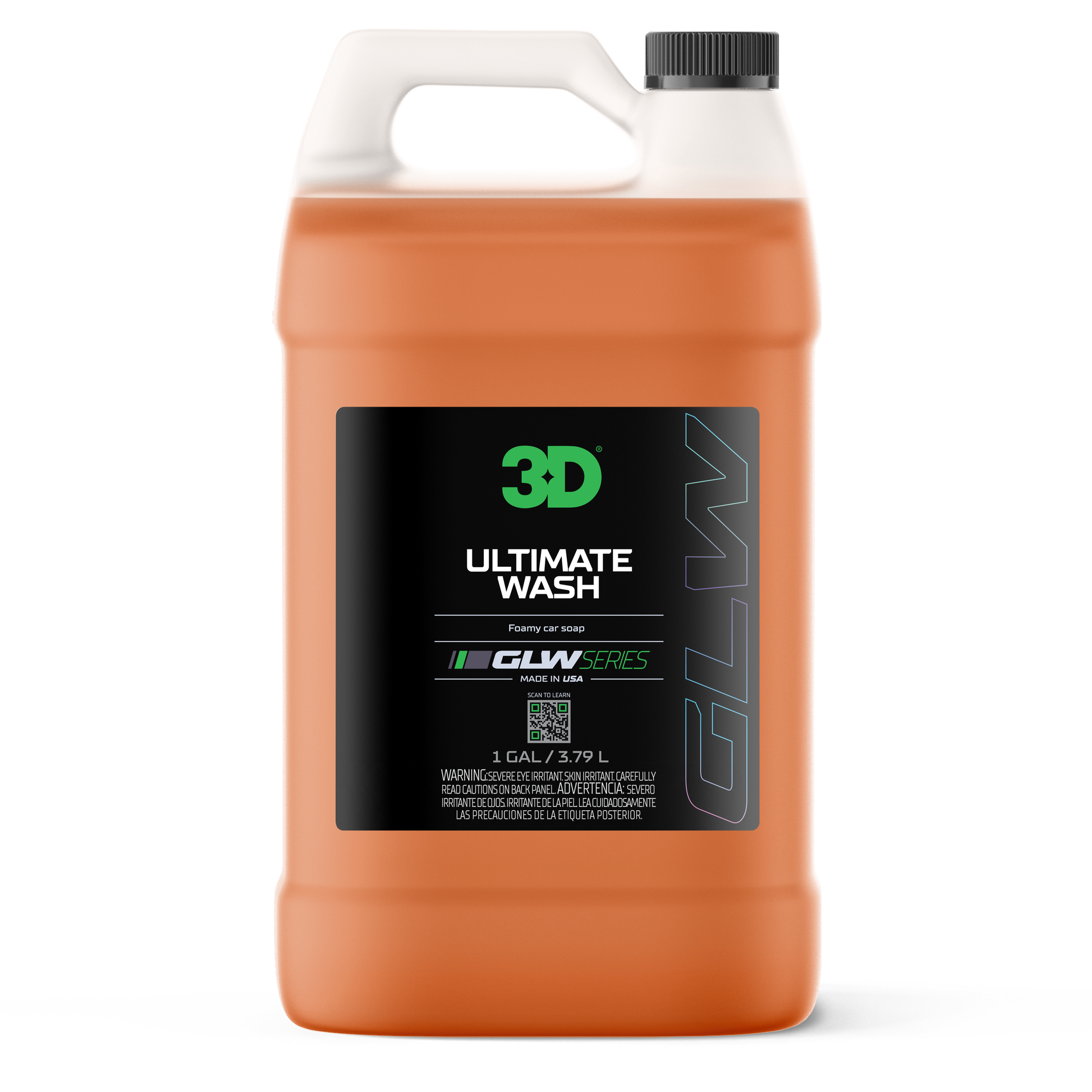
When it comes time to wash, a pH-neutral soap like GLW Ultimate Wash gives you the lubrication you need without leaving behind gloss-enhancing residues. The idea is to lift contamination gently, not scrub it away.
Use a clean, soft wash mitt and work methodically. Light pressure, straight-line motions, and frequent rinsing of the mitt keep the process controlled. You are guiding dirt off the surface, not forcing it.
Drying follows the same philosophy. A PVA drying towel lets you pull water from the surface without dragging it unnecessarily, reducing the chance of leaving marks.
Once dry, use a silicone-free dressing, like 3D Car Care’s Non-Silicone Dressing, for an extra pop on exterior surfaces.
When it comes time to wash, a pH-neutral soap like GLW Ultimate Wash gives you the lubrication you need without leaving behind gloss-enhancing residues. The idea is to lift contamination gently, not scrub it away.
Use a clean, soft wash mitt and work methodically. Light pressure, straight-line motions, and frequent rinsing of the mitt keep the process controlled. You are guiding dirt off the surface, not forcing it.
Drying follows the same philosophy. A PVA drying towel lets you pull water from the surface without dragging it unnecessarily, reducing the chance of leaving marks.
Once dry, use a silicone-free dressing, like 3D Car Care’s Non-Silicone Dressing, for an extra pop on exterior surfaces.
Between Washes: Keeping It Clean Without Changing the Finish
For the pros who demand Adaptive Abrasive Technology, the AAT duo is the gold standard. AAT 501 Cutting Compound offers a "European-style" feel with long working times and a finish that looks like it’s already been polished. Matte vehicles rarely stay perfectly clean for long, especially if they are driven regularly.
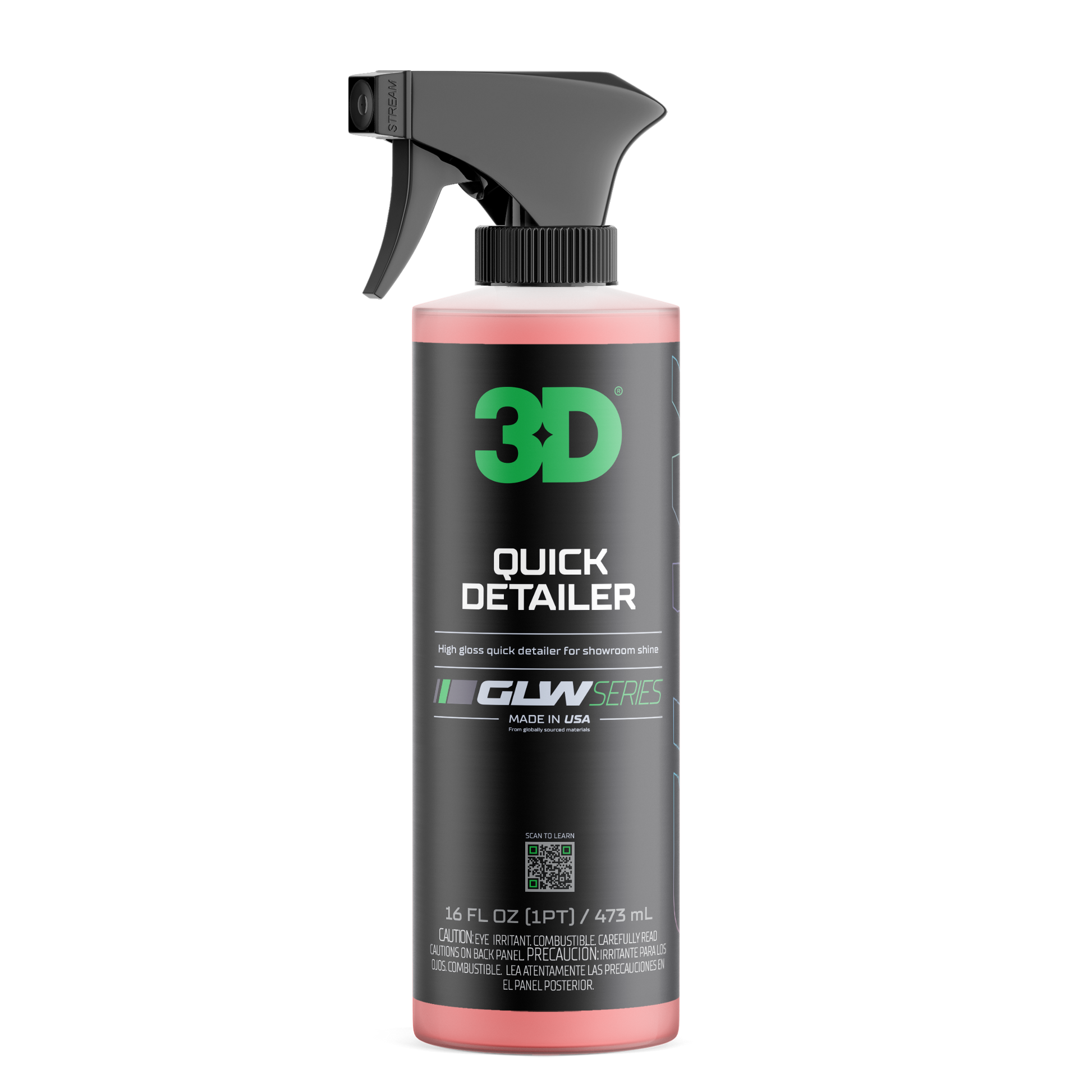
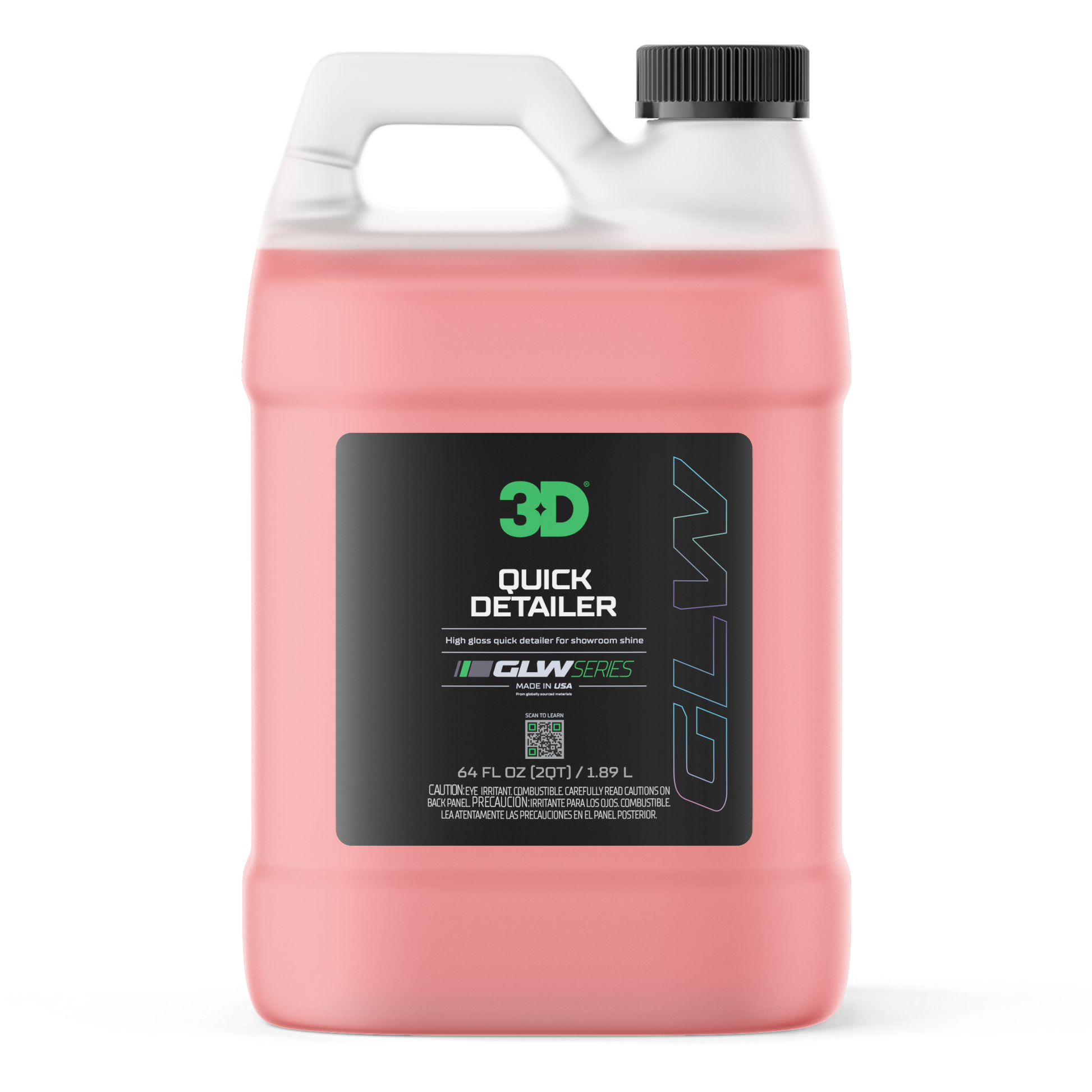
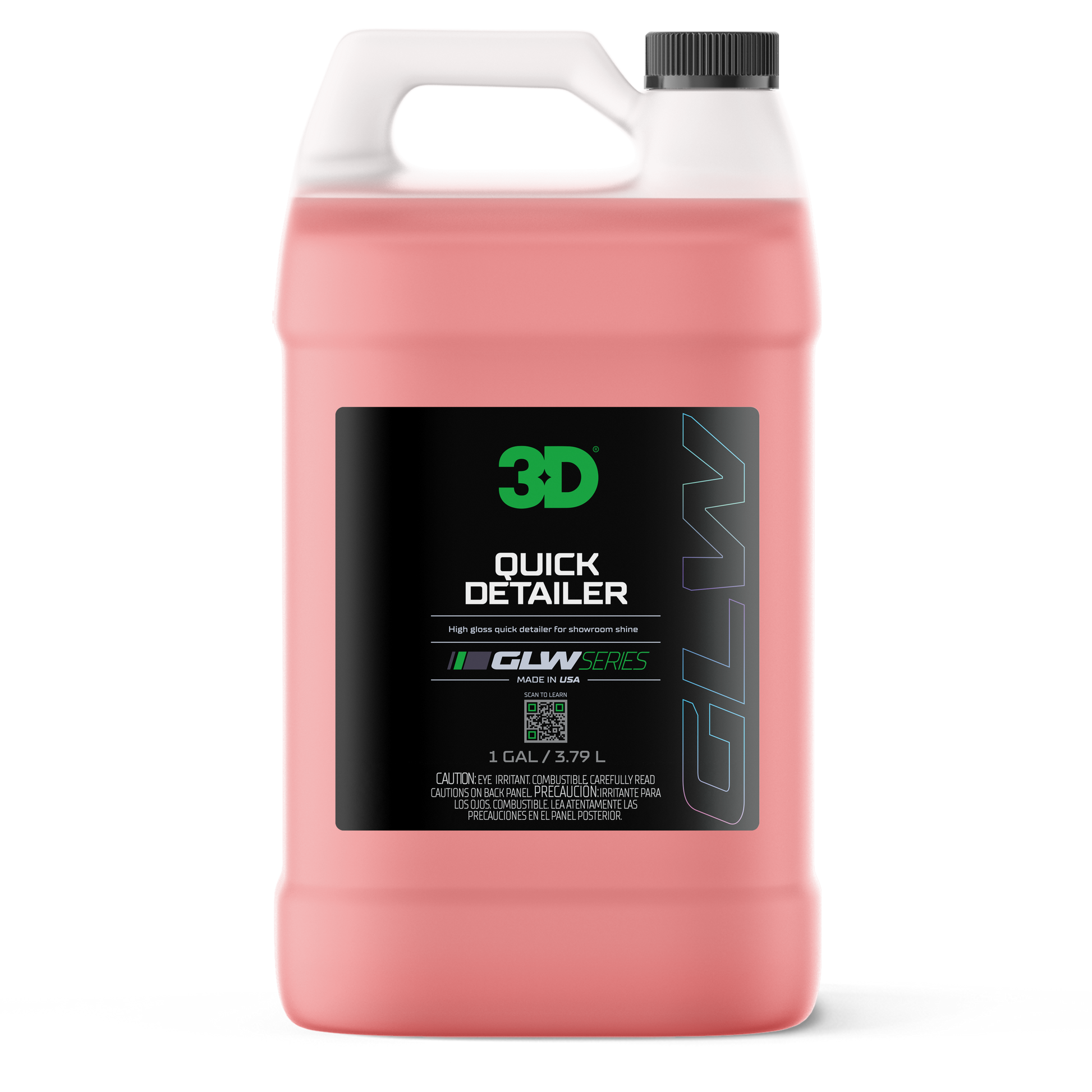
When a full wash is not practical, a matte-safe product like GLW Quick Detailer can be used to remove light dust and contaminants without adding unwanted shine. The key is to use it sparingly and with proper technique, letting the product do the work rather than applying pressure.
When a full wash is not practical, a matte-safe product like GLW Quick Detailer can be used to remove light dust and contaminants without adding unwanted shine. The key is to use it sparingly and with proper technique, letting the product do the work rather than applying pressure.
Protecting Without Adding Shine
Protection is still essential, even if gloss is not the goal.
UV exposure, environmental fallout, and everyday use will wear on a matte finish just as they would on a traditional one. The difference is in how you protect it.
Matte-safe sealants are designed to add a protective layer without filling in the surface texture that defines the look. They help prevent staining and make future cleaning easier, all while preserving that flat, even appearance.
For surrounding trim and plastics, 3D Non-Silicone Dressing provides protection without the artificial shine that clashes with a matte finish.
UV exposure, environmental fallout, and everyday use will wear on a matte finish just as they would on a traditional one. The difference is in how you protect it.
Matte-safe sealants are designed to add a protective layer without filling in the surface texture that defines the look. They help prevent staining and make future cleaning easier, all while preserving that flat, even appearance.
For surrounding trim and plastics, 3D Non-Silicone Dressing provides protection without the artificial shine that clashes with a matte finish.

Keep It Looking the Way It Was Meant To
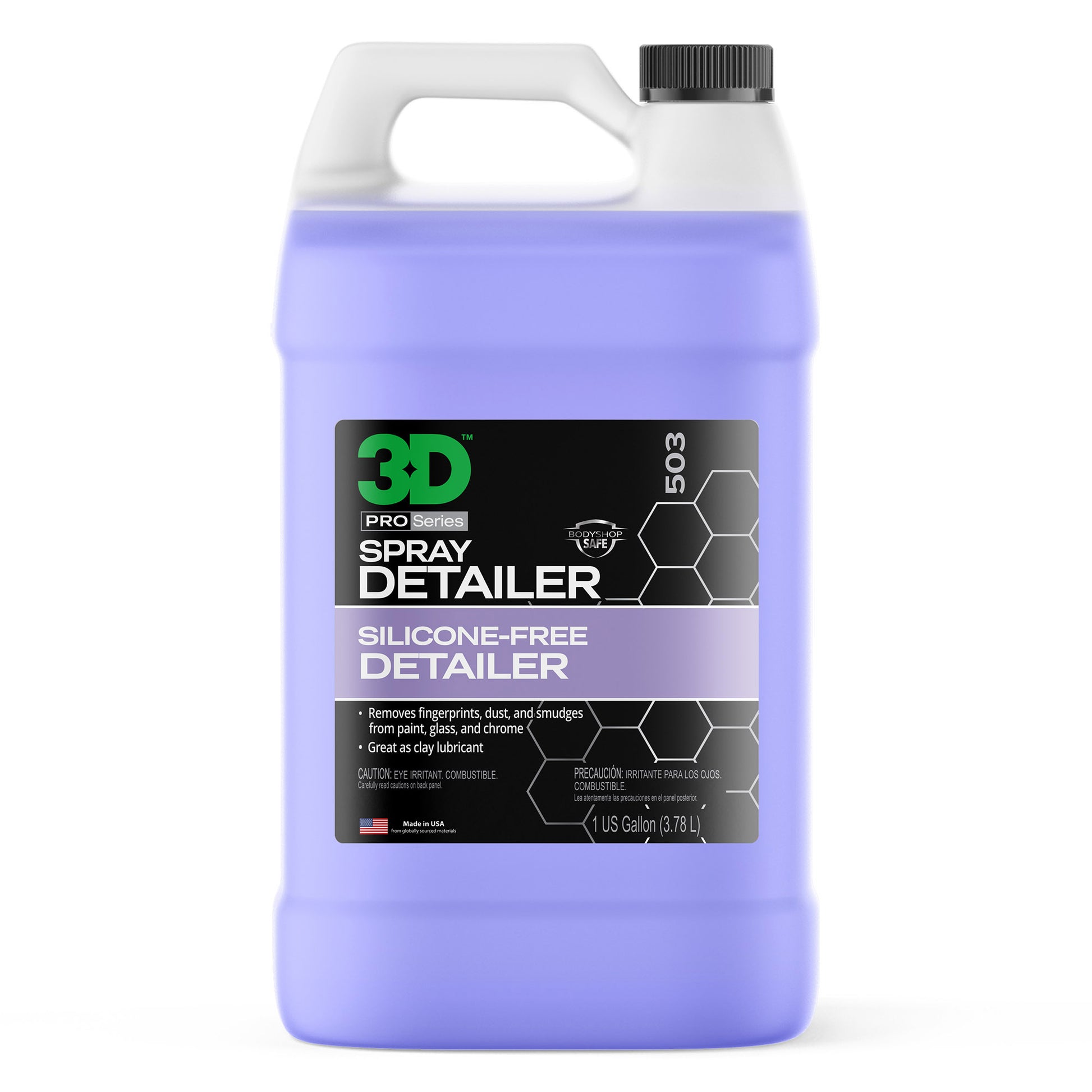
In a body shop, "silicone" is a four-letter word. It causes fisheyes, adhesion failures, and late-night headaches. That’s why 3D’s Non-Silicone Detailing Spray and Non-Silicone Dressing are essential kit.When you are ready to care for your matte finish the right way, explore the full lineup of matte-safe solutions from 3D Car Care. From pH-balanced washes to non-gloss dressings, everything is designed to protect without compromise.